Understanding Personal Protective Equipment for Epoxy Flooring Installation
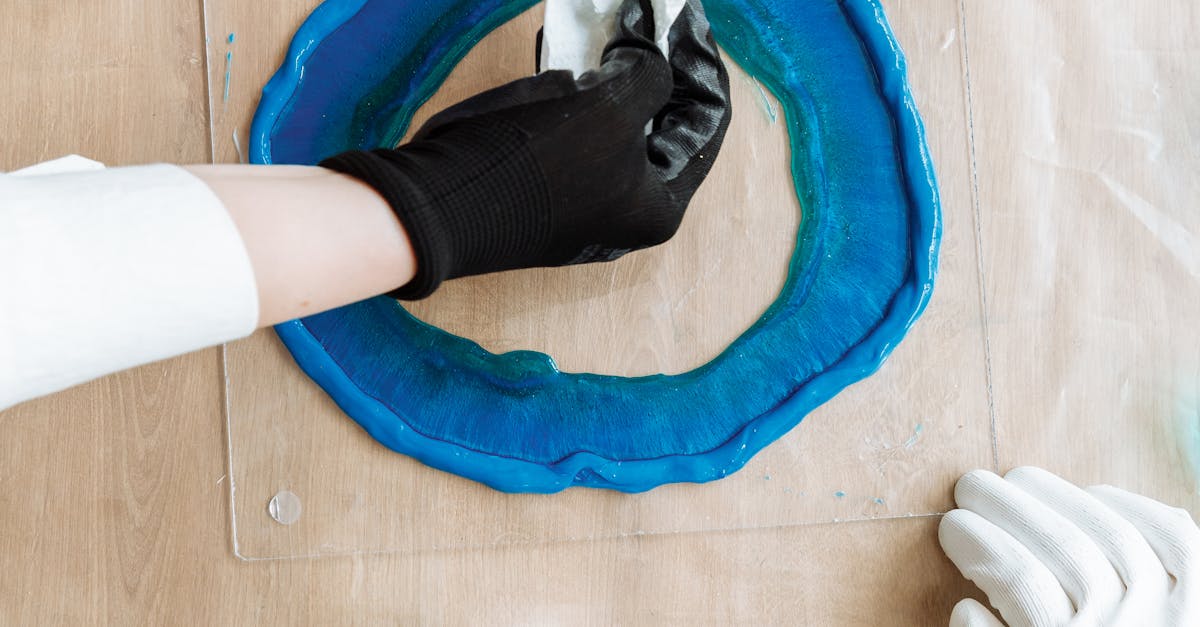
Table Of Contents
Footwear Considerations
Choosing the right footwear is essential for anyone involved in epoxy flooring installation. Safety boots with slip-resistant soles provide necessary traction on potentially slick surfaces, reducing the risk of falls. Additionally, boots should be waterproof to protect against spills and splashes commonly encountered when working with epoxy materials. A solid construction can also offer necessary support for prolonged periods of standing, helping to alleviate discomfort and fatigue during the installation process.
The fit of safety footwear is equally important. Boots should be snug but not overly tight to allow for natural movement. Steel-toe options are recommended to protect against heavy items that may accidentally drop during installation. Furthermore, some workers may opt for boots with reinforced ankles to provide additional support during tasks that involve kneeling or bending. Proper footwear is not just a regulatory requirement; it significantly enhances safety and efficiency in any flooring project.
Safety Boots for Flooring Applications
Selecting the right safety boots is crucial when installing epoxy flooring. Footwear designed for flooring applications should offer protection against potential hazards such as sharp tools or heavy equipment. Slip-resistant soles provide essential grip on potentially slick surfaces, reducing the risk of falls. It is also important that the boots feature steel caps to protect toes from heavy objects, which are common in flooring installations.
Comfort plays a vital role in maintaining productivity during long working hours. Boots should be well-fitted and provide adequate support to prevent fatigue. Breathability is also an important factor, especially when working in confined spaces with limited ventilation. Investing in quality safety boots ensures not only compliance with workplace safety regulations but also contributes to overall job satisfaction and efficiency.
Body Protection
When engaging in epoxy flooring installation, body protection is crucial due to the materials and tools involved. Coveralls made from durable, chemical-resistant fabrics are ideal for this type of work. They provide a barrier against the sometimes harmful substances present in epoxy resins and hardeners. Long-sleeved shirts and long pants also help protect against skin contact, reducing the risk of irritation or allergic reactions.
In addition to coveralls, protective gear such as aprons can offer further safeguarding, particularly when applying epoxy. Gloves are essential for hand protection, especially nitrile or latex varieties designed to resist chemical exposure. It is also advisable to use safety goggles to shield the eyes from splashes and particles while working, ensuring a comprehensive approach to body protection throughout the installation process.
Appropriate Clothing for Epoxy Work
Choosing the right clothing is vital for anyone working with epoxy during installations. Durable, long-sleeved garments made from synthetic or tightly woven natural fabrics provide essential protection against potential splashes and spills. These materials can help minimise skin exposure to harmful chemicals often found in epoxy products. Wearing high-visibility clothing can also enhance safety on site, especially in environments with heavy machinery or ongoing foot traffic.
In addition to long sleeves, it’s important to opt for trousers or work pants that cover the legs completely. Loose-fitting clothing should be avoided to prevent it from getting caught in equipment. Personal Protective Equipment (PPE) must be complemented by appropriate clothing choices to create a comprehensive safety strategy. This includes considering specific needs for temperature regulation, as some installations might occur in warmer conditions that could lead to discomfort or heat stress.
The Role of Hearing Protection
In environments where epoxy flooring is installed, noise levels can reach concerning thresholds due to machinery and tools in use. Continuous exposure to loud sounds can lead to long-term hearing loss or damage. It is crucial for workers to recognise the importance of hearing protection to safeguard their auditory health while engaging in the installation process. Proper use of hearing protection equipment can significantly reduce the risk of acoustic trauma, ensuring that workers can perform their tasks effectively and without adverse health consequences.
Selecting the right type of hearing protection is essential for maximising safety. Options include earmuffs and earplugs, each offering varying levels of noise reduction. The choice of protection should depend on the specific noise levels present at the site and the duration of exposure. Regularly assessing the sound environment and incorporating appropriate hearing protection can dramatically enhance safety measures, creating a work environment that prioritises worker wellbeing.
Evaluating Noise Levels During Installation
Noise levels can vary significantly during the installation of epoxy flooring, primarily due to the equipment used. Tools such as mixers, grinders, and saws can generate high decibel levels, posing a risk to hearing. It is essential to assess the noise output of these tools before beginning the installation process. By measuring decibel levels, workers can identify when hearing protection becomes necessary.
Regulatory guidelines recommend using hearing protection when noise levels exceed 85 decibels over an eight-hour period. For tasks that produce intermittent bursts of high noise, such as cutting or grinding, workers should implement hearing protection even if the average level appears acceptable. Regular monitoring of noise levels also promotes a safer working environment, reducing the risk of long-term hearing damage for installers.
FAQS
What types of footwear are recommended for epoxy flooring installation?
Safety boots with slip-resistant soles and steel toe caps are highly recommended for epoxy flooring installation to ensure protection against heavy objects and slippery surfaces.
What kind of clothing should I wear when working with epoxy?
It is advisable to wear long-sleeved shirts and long pants made of durable materials, along with gloves, to protect your skin from potential chemical exposure during epoxy work.
Why is hearing protection important during epoxy flooring installation?
Hearing protection is essential due to the noise generated by tools and equipment used during installation, which can exceed safe noise levels and lead to hearing damage over time.
How can I evaluate noise levels during the installation process?
You can use a sound level meter to measure noise levels during installation. If the readings exceed 85 decibels, it is recommended to use hearing protection to safeguard your hearing.
Is it necessary to wear personal protective equipment (PPE) even for small epoxy flooring projects?
Yes, it is crucial to wear PPE for all epoxy flooring projects, regardless of size, to ensure your safety and reduce the risk of injury or exposure to harmful substances.
Related Links
Identifying and Mitigating Hazards in the Epoxy Flooring WorkspaceEnsuring Safe Mixing Practices for Epoxy Resins
Electrical Safety Measures When Working with Epoxy Products
Assessing Environmental Conditions Before Installation
Handling Epoxy Chemicals Safely: Key Guidelines
Best Practices for Ventilation During Epoxy Floor Application